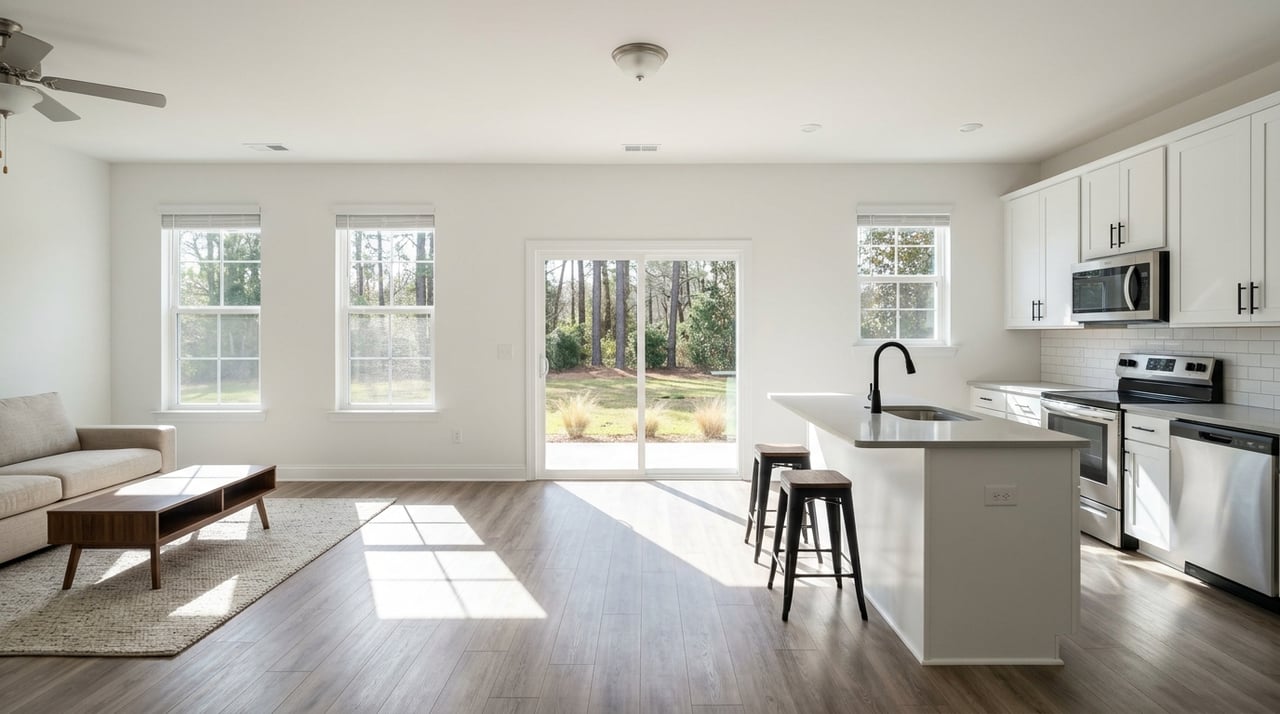
Wake County Owners Considering A Build In Nash County
June 11, 2026
June 11, 2026
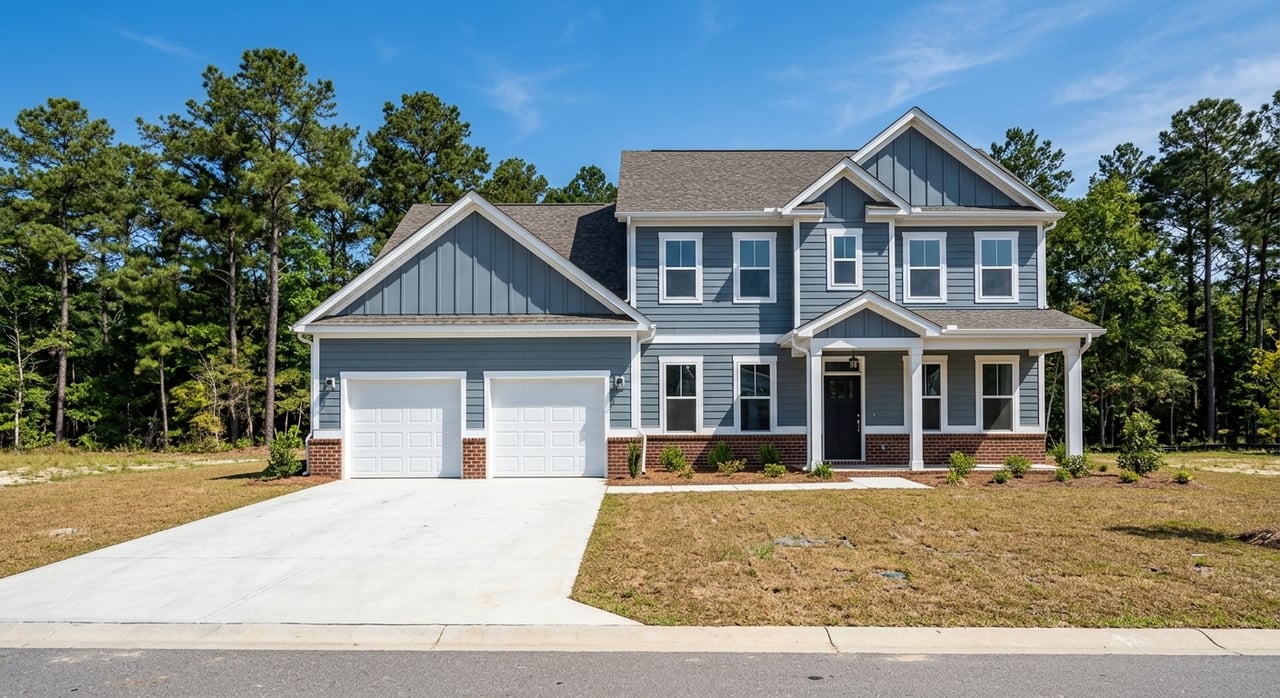
Thinking about leaving Wake County prices behind without giving up your routine? If you have started wondering whether building in Nash County could give you more space, more flexibility, and a better fit for your budget, you are not alone. The good news is that the opportunity is real, but so is the need for careful planning. Here is what you should know before you buy land and start a build in Nash County.
For many Wake County owners, the biggest draw is simple: more room to work with. Based on 2024 Census Bureau estimates, Wake County has about 1,353.3 people per square mile, while Nash County has about 175.7 people per square mile. That means Nash is about 7.7 times less dense than Wake.
That lower-density setting can appeal to buyers who want a larger homesite, a custom floor plan, or a little more breathing room between neighbors. It can also feel like a practical middle ground if you want a different pace without fully disconnecting from the broader regional economy.
Cost is another major factor. The Census Bureau reports a median owner-occupied home value of $461,300 in Wake County compared with $191,000 in Nash County. On that measure, Nash County is about 58.6% lower, which helps explain why many Wake owners start looking east when they want land or a custom home.
The appeal of Nash County is clear, but building there is not just about finding a parcel with enough acreage. A piece of land can look perfect online and still run into issues that affect whether, where, and how you can build. That is why due diligence matters so much.
Nash County treats land development as a regulated process. Its Planning & Inspections Department manages land development and permitting, and the county adopted a new comprehensive land use plan in 2022. In some cases, the Nash County Planning Board may also be involved for items such as zoning map amendments, conditional zoning map amendments, subdivision waiver requests, or UDO amendments.
In plain terms, your goal is not just to buy land. Your goal is to buy buildable land that fits your plans.
Before you get attached to a lot, you need to verify the basics. Nash County GIS is a strong starting point because it includes parcel information, roads, flood zones, water supply watersheds, agriculture districts, river basin data, and county zoning layers.
That matters because acreage alone does not tell the full story. A tract may be large, but floodplain limits, watershed restrictions, zoning rules, or road access issues can still affect the build envelope.
Under Nash County's Unified Development Ordinance, every lot must have sufficient area, dimensions, and road access to allow a principal building. Buildable lots also must be served by a public or private water supply and sewage disposal system that complies with health regulations.
If a lot is not served by public sewer, the ordinance generally requires enough area for both the initial septic system and a repair area unless special conditions apply. This is one reason a parcel can seem large enough on paper but still fall short once you study the usable building area.
For many rural or semi-rural lots, Environmental Health is a key part of the process. Nash County says it evaluates sites for septic suitability, provides well permitting and inspections, and handles septic design and permitting.
The county's guidance is straightforward: buyers should first get clearance from planning and zoning and utilities, then apply through Environmental Health. Nash County also notes that well and septic permits are valid for five years.
That sequence matters. If you are comparing lots, one tract with clear utility access may move faster and more predictably than another that still needs septic feasibility confirmed.
Nash County Public Utilities says it provides sewer service where practical. In many cases, that means some properties will have a simpler path than others, while more rural lots may depend on private well and septic systems.
One of the biggest mistakes buyers make is assuming that buying land means construction can start right away. In reality, the path often moves through several stages, and each one can affect the next.
A useful benchmark from NAHB shows that in 2023, the average single-family home took 10.1 months to complete after authorization. That included 1.5 months from authorization to start and 8.6 months from start to completion. NAHB also found that custom owner-built homes averaged 15.2 months, while homes built for sale averaged 8.9 months.
Those figures are not Nash County-specific timelines, but they help set expectations. For a custom build in Nash County, your timing will also depend on the condition of the lot and the local approval process.
Nash County's permit workflow can involve Planning & Inspections, Environmental Health, and Building Permits & Inspections, with the county permit portal used to apply, pay, request inspections, and view results. If your project includes items that need Planning Board review, timing may stretch further because the board meets monthly.
Not all land carries the same risk, timeline, or workload. A build-ready lot will usually move faster than a raw tract that still needs zoning, road-access, or septic feasibility work.
If you are balancing a current home in Wake County, a job commute, and a future build, this difference matters. A lot with fewer unknowns can make budgeting and scheduling much easier, especially if you are trying to plan a sale, a move, or temporary housing.
Here is a simple way to think about it:
| Lot Type | What It May Already Have | What You May Still Need |
|---|---|---|
| Build-ready lot | Clear access, compatible zoning, utility path or approved site conditions | Final design, permits, construction scheduling |
| Raw tract | Acreage and potential | Zoning review, access review, flood/watershed review, utility planning, septic evaluation, possible board review |
A raw tract can still be the right choice, especially if you want more land or a very specific homesite. You just want to go into that decision with open eyes and a clear process.
If you are moving from Wake County to build in Nash County, lifestyle fit is about more than land and price. You also need to think about your daily rhythm.
Census Bureau commuting data show a mean travel time to work of 25.1 minutes in Wake County and 23.7 minutes in Nash County for workers age 16 and over. These are countywide averages, not a route-specific estimate between your current job and a future homesite, so they should be used only as a general reference point.
That is why it helps to test the route yourself. Drive from the area you are considering in Nash County to your workplace or your most common Wake County destinations during the hours you would normally travel.
For many buyers, the right answer is not the cheapest lot or the largest tract. It is the property that balances space, buildability, cost, and your day-to-day routine.
A cross-county build can involve a lot of moving parts. You may be comparing land, reviewing zoning, checking septic suitability, planning design choices, and thinking about how to time the sale of your current home all at once.
That is where coordination becomes valuable. Foote Real Estate Group works with buyers, sellers, and custom-build clients in Nash County and nearby markets, with a practical focus on helping clients move from land search to project planning with fewer surprises.
When you have one team helping you think through property selection, local process, and build coordination, it is easier to make decisions in the right order. That can save time, reduce stress, and help you avoid falling in love with a tract that does not fit your goals.
If you own in Wake County and are considering a build in Nash County, the opportunity can be compelling. You may gain more space and a lower-cost entry point, but success usually depends on choosing the right parcel and sequencing the process carefully. If you want a local team that understands both the market and the mechanics of building, reach out to Foote Real Estate Group to talk through your next step.
Stay up to date on the latest real estate trends.
Whether you're buying, selling, or building a custom dream home, Foote Real Estate Group is here to ensure a smooth process tailored to your goals.