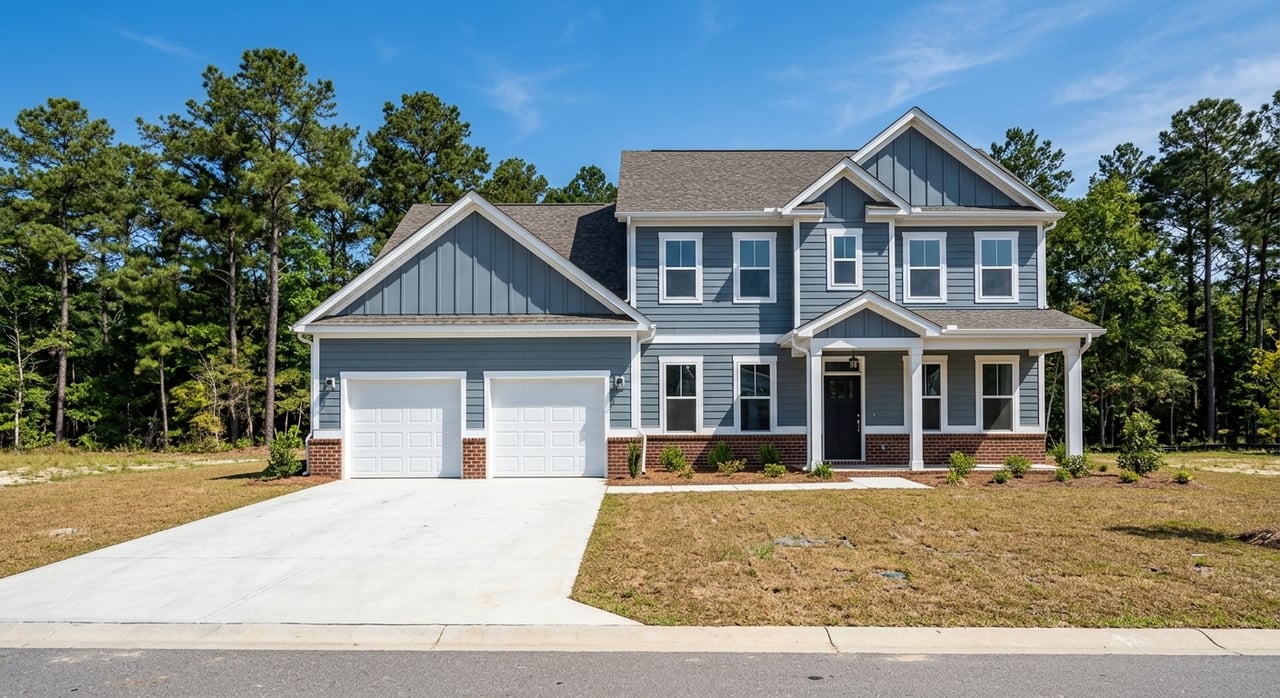
How to Compare Wilson NC New Construction Neighborhoods
July 2, 2026
July 2, 2026
Thinking about buying new construction in Wilson? It is easy to get pulled in by fresh finishes, open floor plans, and model-home staging, but the neighborhood itself can shape your day-to-day experience just as much as the house. If you want to make a smart move, you need to look beyond the countertops and ask better questions about the lot, the builder, and the area around you. Let’s dive in.
Wilson gives buyers a mix of new-construction options, from more in-town settings to amenity-focused subdivisions and quieter communities near the edge of town. Builder marketing in the area highlights examples like Mill Stone Creek with a saltwater pool, Jetstream Park III with smart home technology, Bellingham with a central Wilson location, and Cross Creek near Buckhorn Reservoir. That variety means your best fit may depend more on lifestyle and location than on the floor plan alone.
The city’s planning and development process also makes neighborhood research especially important. Wilson requires zoning review before residential building permits in the city’s zoning jurisdiction, subdivision plats often need approval, and floodplain development permits are required in designated hazard areas. In practical terms, that means lot layout, drainage, and nearby future development deserve the same attention as bedroom count or square footage.
Before you narrow your search to a specific home, compare the kind of community you want. Some buyers value being close to daily errands, downtown access, and established road networks. Others prefer neighborhoods with shared amenities or a quieter setting with a little more separation from busier corridors.
Wilson’s current new-construction choices suggest you may be weighing several different lifestyles. One neighborhood may offer a stronger amenity package, while another may feel more convenient for commuting or everyday routines. Builder descriptions can be helpful, but you should confirm advertised features in the contract and by seeing the site in person.
In new construction, the lot can be one of the most important parts of the purchase. Two homes with the same floor plan can feel very different based on sun exposure, backyard privacy, driveway placement, and the amount of traffic or road noise nearby. A well-chosen lot can improve comfort and resale appeal over time.
Wilson buyers should also pay close attention to grading and water flow. The city notes that flood-zone determinations are available through Development Services, that flood insurance is not covered by a standard homeowner policy, and that even properties outside a Special Flood Hazard Area are not guaranteed to be safe from flooding. The city’s stormwater guidance also points out that more built-upon area increases runoff.
A pretty view today may not stay the same. In a developing neighborhood, land behind or beside your lot could become another phase, a road connection, or a different use allowed by local planning. Wilson’s planning framework includes an overall plan, a countywide Comprehensive Transportation Plan in coordination with Wilson County and NCDOT, and area plans for places like the U.S. 301 corridor, Barton Area–Northwest–Old Wilson, and Center City Choice.
That does not mean change is bad. It simply means you should treat the surrounding area as part of the product you are buying. Ask what is planned nearby so you understand how the neighborhood may function a few years from now, not just on move-in day.
If the neighborhood has a homeowners association, do not wait until the last minute to review the paperwork. In North Carolina planned communities, recorded declarations, bylaws, and articles help define the HOA’s authority. The owners’ association disclosure statement must identify regular dues, services paid by dues, and any special assessments.
That information affects your monthly budget and your long-term ownership experience. An HOA may cover useful services and help maintain common areas, but you should know exactly what the dues pay for and whether future increases are being discussed.
A new home does not mean zero risk, and warranty terms can vary from one builder to another. That is why you should read the actual written warranty instead of assuming all builders offer the same coverage. A builder-specific warranty manual may spell out what is covered, how long coverage lasts, and what process you must follow if something needs repair.
It also helps to understand the difference between a builder warranty and a home warranty. A builder warranty typically addresses construction-related items under specific terms, while a home warranty is usually a separate service contract that may cost extra. Before you sign, make sure you know what is included, what is excluded, and how claims are handled.
Model homes are designed to show a polished version of the builder’s product. They are useful, but they can also blur the line between standard features and upgrades. Your job is to separate the beautiful presentation from the exact home and contract terms you would actually receive.
When you walk through a model in Wilson, focus on specifics. Ask what is included in the base price, what costs extra, and whether the lot itself changes the final price. You should also ask whether amenities, landscaping, and common areas will be finished by the time you move in.
A new home should support your routine, not just look good online. Wilson has several local amenities and services that may influence both convenience and future resale appeal. Parks and recreation, downtown access, local transit, healthcare access, and transportation connections all play a role in how a neighborhood feels over time.
Wilson Parks & Recreation is CAPRA-accredited, Wilson Transit operates locally, Historic Downtown Wilson has a dedicated redevelopment organization, the city has an industrial air center, and ECU Health operates a Healthplex in Wilson. Depending on your priorities, those features may shape which part of the city feels most practical for you.
If school assignment is part of your search, verify it by property address. Wilson County Schools reports 25 schools and more than 10,000 students, with school-specific contacts available through the district. In a growing area, assumptions based on subdivision names or builder materials can lead to confusion, so direct confirmation is the safer approach.
One of the biggest mistakes buyers make with new construction is comparing homes only by price per square foot. That number does not fully capture lot quality, HOA costs, builder standards, warranty terms, or how the surrounding area may change. A lower-priced home can end up being less attractive when those factors are added in.
A better comparison looks at the full package. You want to weigh the home, the lot, the community structure, the nearby access points, and the long-term fit for your goals. That kind of side-by-side review helps you avoid surprises and feel more confident in your decision.
Buying in a new construction neighborhood often involves details that are easy to miss on your own. Site design, grading, future phases, HOA rules, and builder paperwork can all affect the value you get from the purchase. Having someone who understands both the market and the building side can make those differences much easier to evaluate.
That is where a practical local team can add real value. If you want help comparing Wilson new-construction neighborhoods, reviewing what matters beyond the model home, or planning your next move, connect with Foote Real Estate Group.
Stay up to date on the latest real estate trends.

Whether you're buying, selling, or building a custom dream home, Foote Real Estate Group is here to ensure a smooth process tailored to your goals.