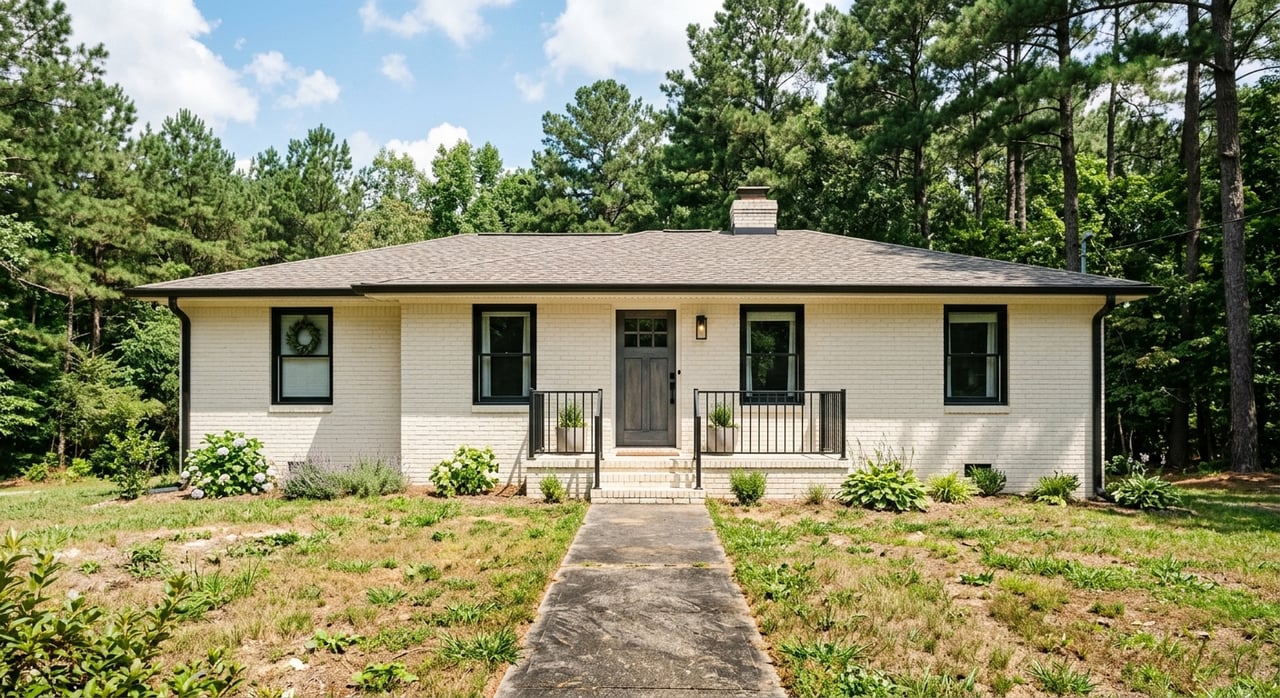
Beaufort County Cottage Renovation for Retreat or Rental
June 18, 2026
June 18, 2026
Dreaming about a small Beaufort County cottage that can double as your personal escape and a rental when you are not using it? That idea can be exciting, but it also comes with real planning choices, especially in a county shaped by water, weather, and coastal rules. If you want a renovation that feels relaxing to own and practical to manage, the smartest moves happen before demo starts. Let’s dive in.
Beaufort County offers a strong backdrop for cottage living, with about 88,000 acres of water and a lifestyle tied to boating, fishing, paddling, historic waterfronts, and Goose Creek State Park. That makes smaller homes appealing as both retreats and guest accommodations. It also means your renovation plan needs to account for moisture, storm exposure, and long-term maintenance.
A pretty finish package alone will not carry the project. In this area, the best renovation choices often focus on resilience, easy cleanup, and materials that hold up well over time. If you plan for those items early, you can create a cottage that works better for you and for future guests.
Before you choose flooring, fixtures, or furniture, confirm exactly where the property sits. Beaufort County includes seven municipalities, and the property’s jurisdiction affects which rules and review paths may apply. That step helps you avoid assuming one process covers every cottage in the county.
Beaufort County’s Planning Department handles land-use planning, zoning, hazard mitigation, CAMA grant administration, and ordinance enforcement. The county’s Inspections Department enforces the North Carolina State Building Codes for permitted work. If your renovation changes layout, systems, or structure, getting the right permit path upfront can save time and money later.
In Beaufort County, floodplain review is not a side issue. The county flood ordinance defines a special flood hazard area as land with a 1% or greater annual chance of flooding. If your cottage falls in that area, your renovation decisions may be shaped by elevation rules, materials requirements, and inspection steps.
One key threshold matters a lot: substantial improvement. In Beaufort County, that means work costing 50% or more of the structure’s market value during any one-year period. If a residential structure in a special flood hazard area is new or substantially improved, the reference level must be elevated to the regulatory flood protection elevation, and a final as-built elevation certificate is required before occupancy or compliance is issued.
That is why floodplain status should come before design boards and shopping lists. If you skip this step, you may end up revising plans after investing time and money in a direction that does not fit the site.
If your cottage touches water or sits near a sensitive shoreline, add coastal review early. North Carolina DEQ notes that estuarine shorelines are dynamic and affected by storms, boat wakes, tidal currents, and sea-level rise. That makes shoreline work more complex than many buyers expect.
For coastal development, single-family homes generally use CAMA minor permits. If you are considering shoreline stabilization, a dock-area upgrade, or other outdoor work near the water, ask early which permit type and stabilization options are allowed. Some larger shoreline projects may require engineering and higher-level permitting.
A cottage that sleeps more people can place more demand on the property than its original layout suggests. Before adding bedrooms, reworking bathrooms, or planning for frequent guest stays, check the septic system and private well situation if the home is not on public utilities.
Beaufort County Environmental Health oversees subsurface wastewater systems and private drinking-water wells. That makes septic capacity and well condition important parts of your renovation budget and design decisions. It is much better to learn the site limits before you lock in a floor plan.
For a Beaufort County cottage, durable materials are often the best value. In flood-prone or coastal-adjacent settings, water-tolerant finishes, durable flooring, moisture-safe wall and trim materials, and protected mechanical systems tend to make more sense than highly absorbent finishes or fussy details.
This matters even more in areas subject to flood rules. FEMA guidance supports using flood damage-resistant materials below the base flood elevation where required. In everyday terms, that means your renovation should aim for surfaces and systems that are easier to dry, clean, and maintain after heavy weather.
The result is not just a safer plan. It can also make the cottage easier to reset between visits, easier to maintain through humid seasons, and less stressful to own long term.
The most successful dual-use cottages usually work well without constant reworking between owner stays and guest stays. That means the renovation should support both uses from the start. A cottage that is easy to switch over will save you time and reduce wear.
A practical setup often includes:
These choices are not about making the home feel plain. They are about building a space that stays attractive without becoming high-maintenance.
A cottage renovation budget should include far more than cabinets, paint, and flooring. In Beaufort County, permit review, floodplain compliance, septic or well evaluation, and possible shoreline approvals can all affect your total cost. If your project is larger, contractor licensing rules may also come into play.
In North Carolina, a general contractor license is required when a project is valued at $40,000 or more. That threshold matters because exterior repairs, flood-related work, plumbing changes, and system upgrades can push a cottage renovation into that range faster than expected. If your project is heading that way, address contractor planning before work begins.
Financing may also shape the plan. Renovation loan options like HUD’s Section 203(k) program and Fannie Mae’s HomeStyle Renovation mortgage can allow renovation costs to be included in a purchase or refinance loan. For some buyers and owners, that can preserve cash for contingencies instead of paying for every repair out of pocket.
If you hope to rent the cottage, taxes should be part of the renovation math from day one. North Carolina taxes accommodation rentals at the state, local, and transit sales and use tax rates, and local occupancy tax may also apply. Beaufort County’s current combined sales and use tax rate is 6.75%.
There are also a few important exceptions. A private residence, cottage, or similar accommodation rented by the owner for fewer than 15 days in a calendar year is exempt from sales and use tax. Rentals of 90 continuous days to the same person are also exempt.
If you use a marketplace or accommodation facilitator, charges necessary to complete the rental are included in the taxable sales price. That detail can affect your income projections, so it is smart to treat rental taxes as a routine operating cost rather than an afterthought.
You should also remember that improvements may affect property taxes. Beaufort County requires property owners to report new construction and improvements or modifications made during the preceding year. County tax rates are set separately by the county and town boards, so renovation can increase carrying costs even if you bought the cottage at a favorable price.
Many cottage buyers picture a fast cosmetic update. In reality, the schedule can stretch when the property involves floodplain review, coastal permitting, septic or well questions, or major layout changes. The more your project changes the footprint, elevation, or plumbing layout, the more likely review and inspections will shape the calendar.
That does not mean the project is not worth doing. It just means a realistic timeline is part of a smart renovation plan. If you build in extra time early, you are less likely to feel rushed into shortcuts later.
If you are buying or renovating a Beaufort County cottage, your first questions should be practical ones. What is the jurisdiction? Is the property in a special flood hazard area? Is it served by septic and well, and can those systems support your intended use?
Once those answers are clear, the design choices usually get easier. You can focus on improvements that support durability, comfort, and simpler ownership. That is the sweet spot for a retreat that also has rental potential.
A good renovation is not just about making a cottage look better. In Beaufort County, it is about creating a home that fits the site, respects the rules, and works well in real life.
If you are weighing a cottage purchase, planning a renovation, or trying to decide whether a property can support your goals, Foote Real Estate Group can help you think through the real estate side and the renovation path together.
Stay up to date on the latest real estate trends.
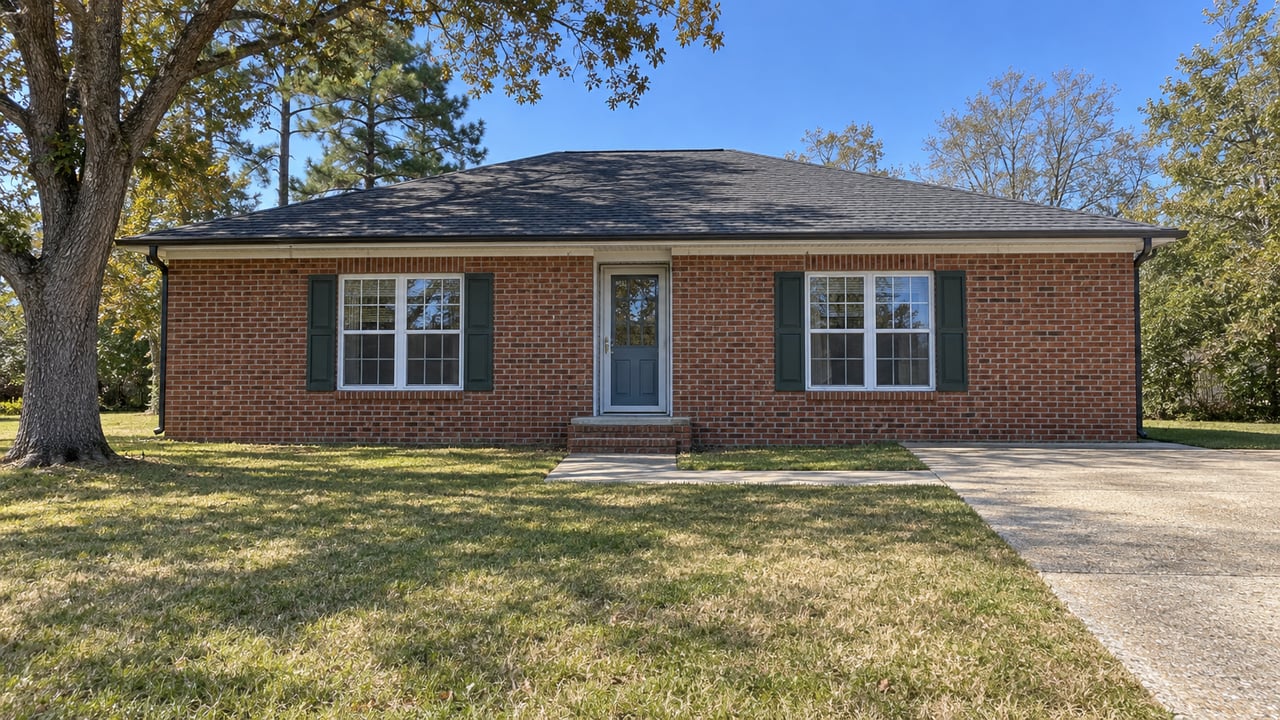
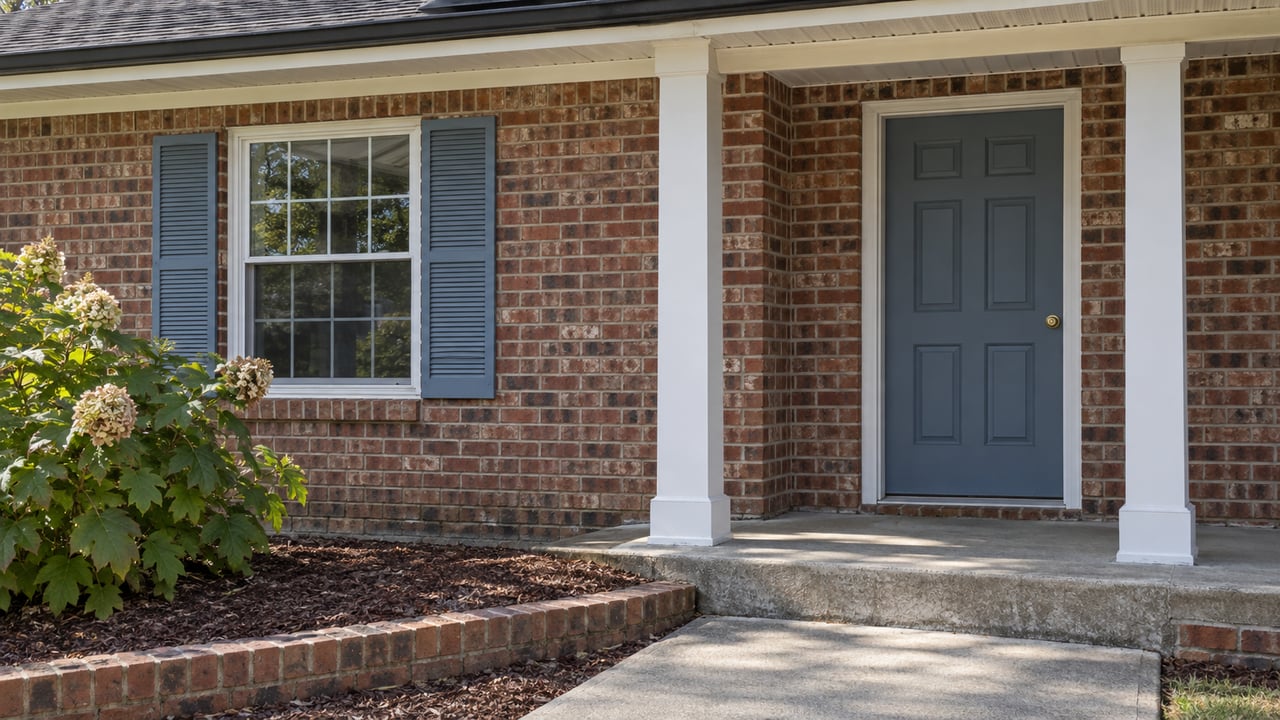
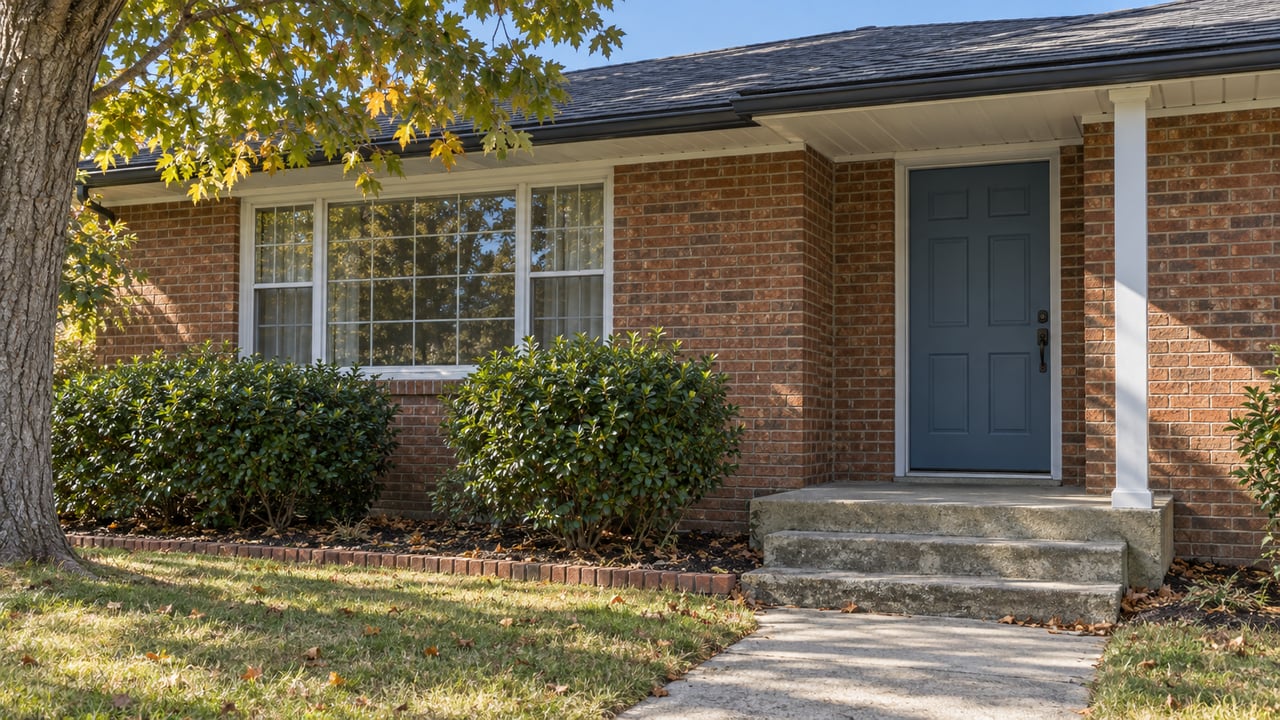

Whether you're buying, selling, or building a custom dream home, Foote Real Estate Group is here to ensure a smooth process tailored to your goals.