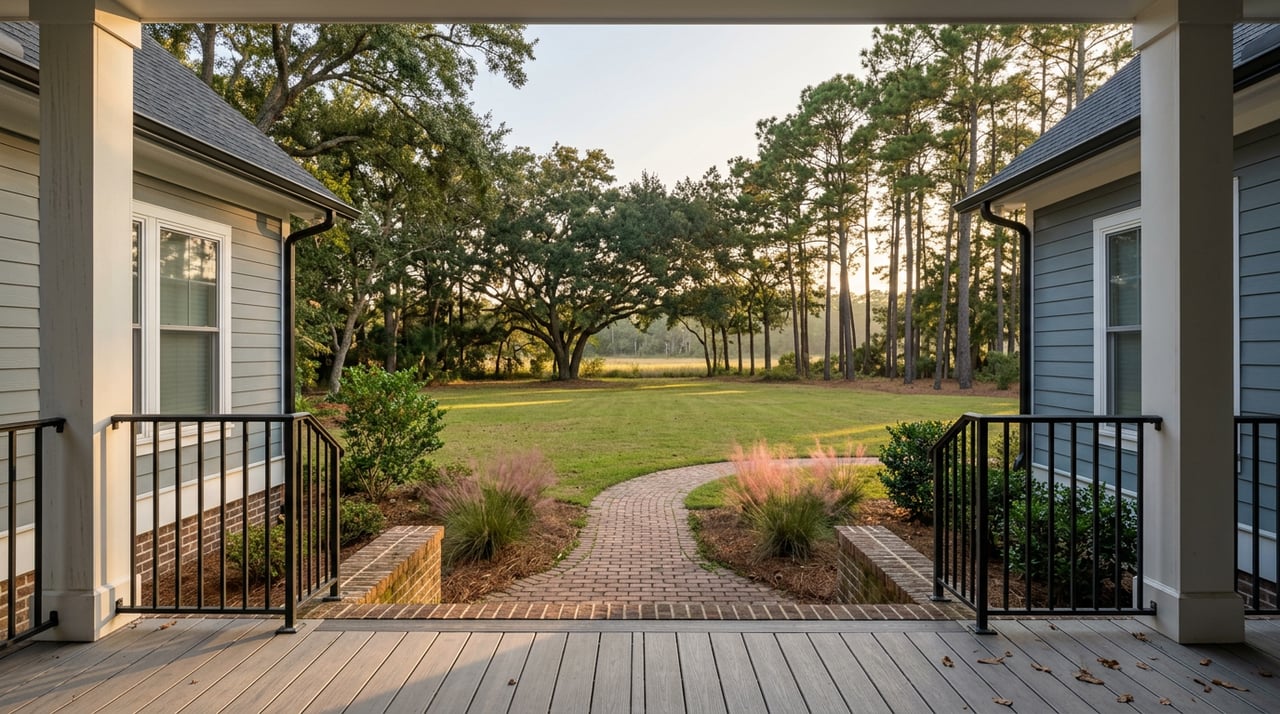
Best Things to Do in Washington NC's Harbor District
August 13, 2026
August 13, 2026
Ask someone who has never spent an evening in downtown Washington to describe it and you will get the same postcard every time: antique shops, a restored theater, a walk along the water, a town so unhurried it still goes by "Little Washington," a nickname that stuck after the settlement, then known as Forks of the Tar, renamed itself for George Washington in 1776. That description has been accurate for a long time. It just stopped being current sometime in May.
In one week that month, four new storefronts opened on Main and Washington Streets: Pixie House and Gardens at 118 East Washington Street, Connelly's Trading Cards at 106 East Main (open since May 4), Iron and Ivy Consignment at 124 West Main, and Adin's Music Studio, according to a local news report from that week. If the last time you walked Main Street was earlier this spring, before any of that news broke, you already missed a version of it.
That kind of churn isn't accidental, and it isn't decline either. Downtown Washington's storefronts are managed under a specific strategy run by the Washington Harbor District Alliance, a nonprofit that operates as a Main Street America accredited program, one of more than 1,200 communities nationwide using that designation. The Alliance works a four-point approach: promotion, organization, design, and economic restructuring, all aimed at keeping the district's small commercial buildings filled and turning rather than sitting vacant or ossifying into a single look.
Practically, this means downtown Washington behaves less like a museum piece and more like a rotating storefront experiment. A consignment shop or a trading card store can open in a building that held something else entirely a year earlier, because the Alliance's whole design is to lower the friction for that kind of change. If you're the type who assumes the shop list from last summer still holds, that assumption is exactly what the program is built to undercut.
The dining side of downtown has more staying power than the retail turnover, but it still rewards knowing more than one name. Blu Farm to Table occupies a restored historic building downtown and serves rooftop dinners with a menu that leans on ingredients from local fields and waters. A few blocks over, The Hackney and The Mulberry House offer two different takes on a sit-down evening, while 1906 Bistro & Bourbons and Down on Mainstreet give you options that run more toward comfortable and familiar than special-occasion.
If you want something with a water view and no reservation required, Ribeyes Steakhouse and Washington Crab both sit close enough to the river that you can see it from a table. And Backwater Jacks Tiki Bar and Grill is worth remembering specifically because it stays open year-round, not just for the warm months the name suggests.
For a faster option before or after any of the above, Bill's Hot Dogs has built enough of a following that regulars passing through from other parts of the state have been known to buy several dozen at a time just to bring home.
| Stop | Known For | Good For |
|---|---|---|
| Blu Farm to Table | Rooftop seating, farm-sourced menu | A slower dinner with a view |
| The Hackney | Full sit-down dining | Date night or a proper meal out |
| Down on Mainstreet | Home-style Southern cooking | Casual weeknight dinner |
| Backwater Jacks Tiki Bar | Open all year, riverside drinks | A drink before or after dinner |
| Bill's Hot Dogs | Quick, well-known local favorite | Grabbing something fast |
The Turnage Theatre, a restored vaudeville-era building on West Main Street, is home to Arts of the Pamlico, the county's arts council, and its calendar changes often enough that it's worth checking before you assume the evening is just dinner and a walk. This month alone the gallery has a joint exhibit reception on August 14 from 5 to 8 p.m., a monthly Social Dance Night hosted by USA Dance Chapter #6046 on August 15 (a beginner lesson from 7 to 7:30 followed by open dancing until 8), and a Pamlico Writers Group critique session on August 25 where local writers bring works in progress for feedback, according to the Arts of the Pamlico events calendar.
None of these require advance planning beyond checking a date. They do turn a routine walk downtown into something with an actual anchor point for the evening.
However the earlier part of the evening goes, the water is still the reason people end up here. The Waterfront Boardwalk runs close to 1,900 feet, elevated through a constructed four-acre wetland that connects the downtown business district to the North Carolina Estuarium, and it was built as much for stormwater management as for recreation, an engineering project that earned ACEC/NC's Grand Award for Water Resources. It filters runoff before it reaches the Pamlico River and gives residents a walkway that didn't exist in that form a generation ago.
The entire Washington waterfront is listed on the National Register of Historic Places, a detail easy to miss on an evening walk but one that explains why the buildings along it look the way they do.
Along the way to the boardwalk, the Harbor District Market gives you a chance to pick up produce or handmade goods before the walk, and the Riverwalk Gallery is an easy stop if you want to end the night indoors rather than at the water's edge.
None of this is complicated, but it does mean the confident version of "here's what to do downtown" that gets repeated season after season is usually a few months behind. The storefronts change because the Alliance built a system that makes changing them easy. The theater calendar changes because it's an active venue, not a static landmark. The dinner options hold steadier, but even those reward checking rather than assuming.
If you're the kind of resident who already has a favorite dinner spot and a standing Friday routine, the honest move is just to walk Main Street once before you commit to it again. What's there right now is not quite what was there in May, and it won't be quite the same by fall either.
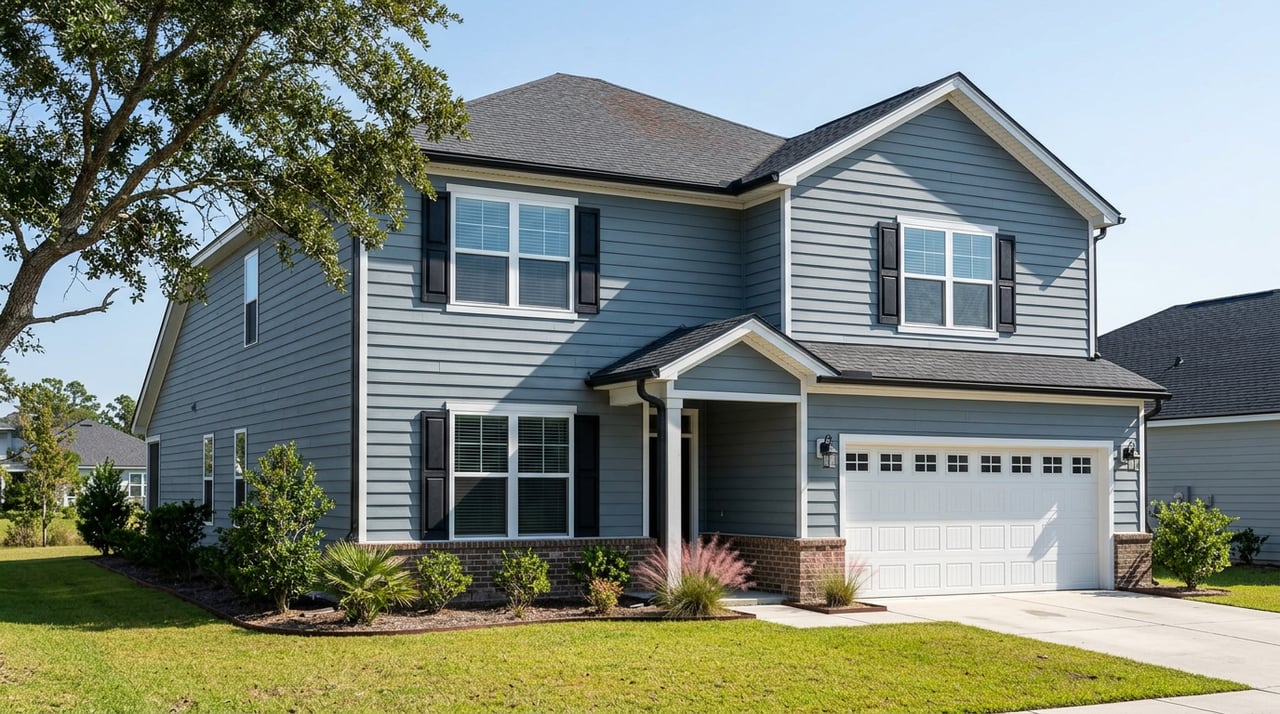
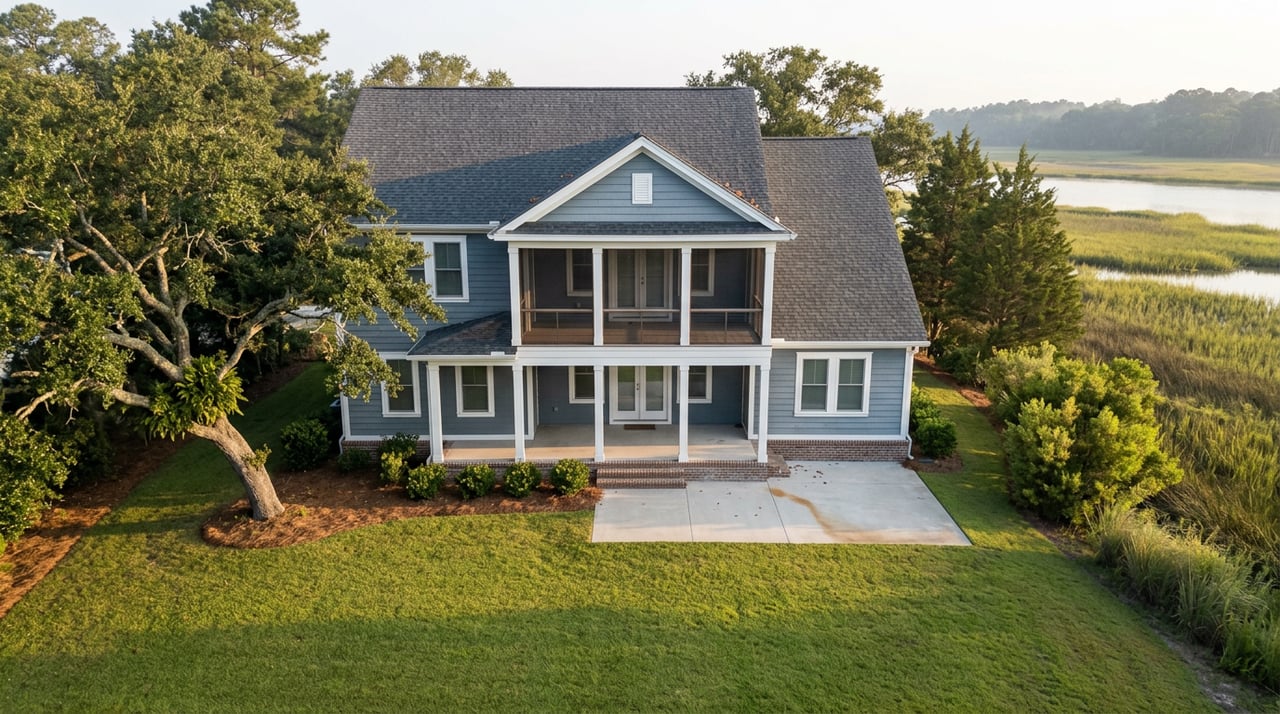
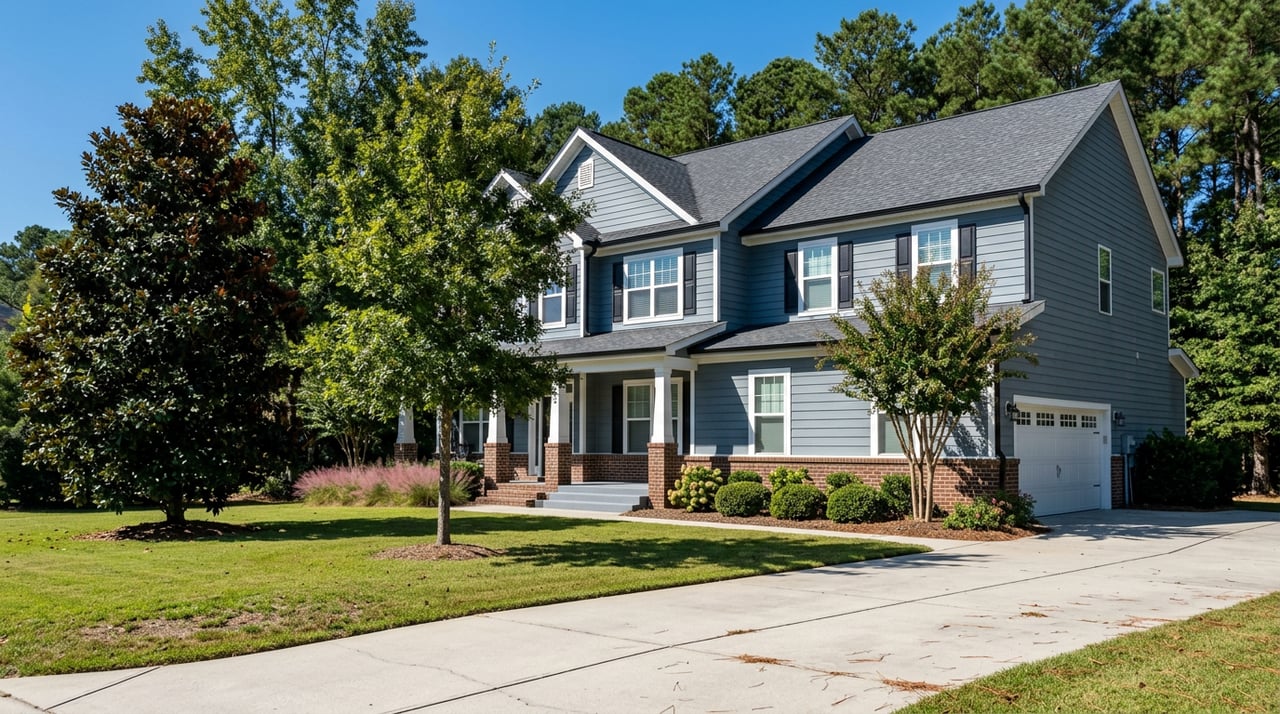
Foote Real Estate Group, operating as BuySellBuild.Homes, keeps close tabs on how Beaufort County's towns are changing, downtown storefronts included, because that kind of detail matters whether you're settling into a neighborhood or just trying to plan a better Friday night. If you're weighing what a Beaufort County property is worth in today's market, start with a free home valuation and take it from there.
Stay up to date on the latest real estate trends.

Whether you're buying, selling, or building a custom dream home, Foote Real Estate Group is here to ensure a smooth process tailored to your goals.