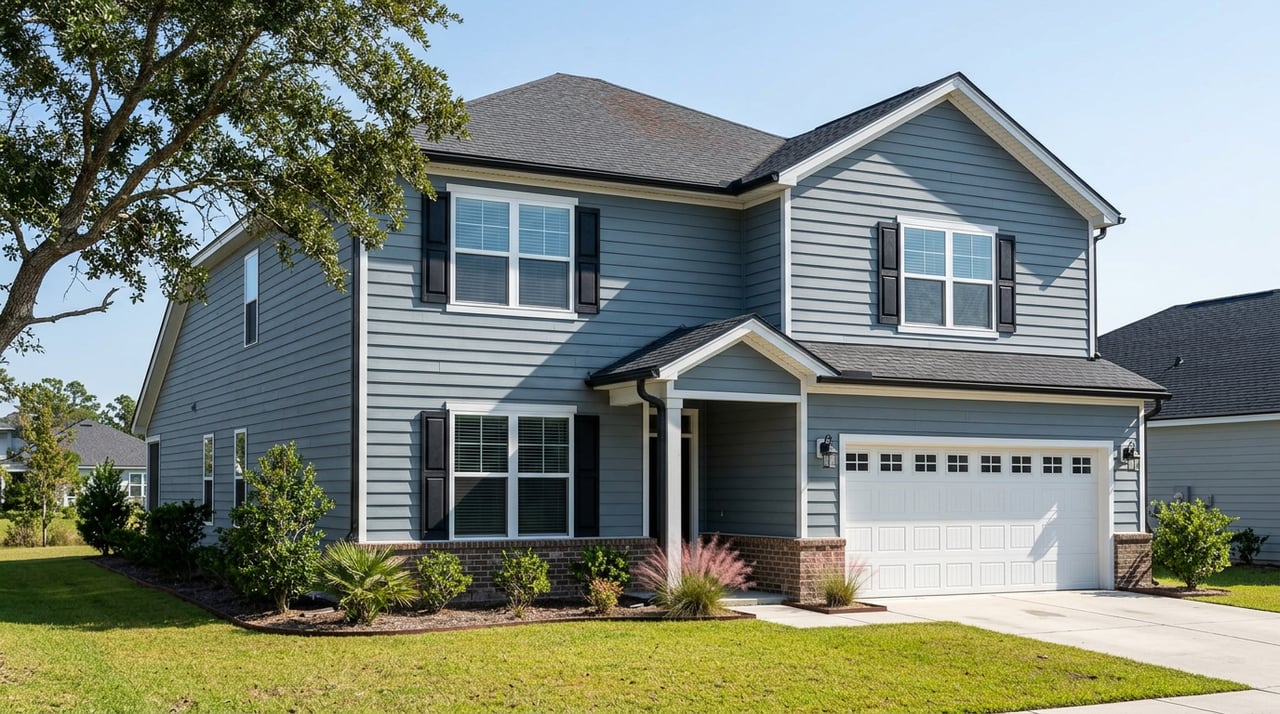
Why Every Waterfront Renovation in Beaufort County Starts With the Health Department, Not the Contractor
September 24, 2026
September 24, 2026
Most renovation timelines run in the order you'd expect: buy the house, hire the contractor, pull the building permit, start work. On the Pamlico and Pungo waterfronts in Beaufort County, that order gets flipped before the first stud goes up. The City of Washington will not open a building permit file for a waterfront project until you've already produced a septic or well permit from Beaufort County Environmental Services and, if the work touches the shoreline, a CAMA permit or exemption letter from the state's Division of Coastal Management. The contractor's schedule is the last box on the form, not the first.
That reversal is the piece almost nobody budgets for, and it's why a straightforward dock repair or a kitchen addition on a Pungo River lot can sit stalled for weeks after the buyer thought the hard part, finding the house, was already behind them.
A waterfront renovation in Beaufort County touches three separate reviewers, each with its own paperwork and its own timeline, and each one feeding into the next:
Here's the table version, because the sequence matters more than any single fee:
| Review Layer | Who Issues It | What Triggers It | Typical Turnaround |
|---|---|---|---|
| Septic or well capacity | Beaufort County Environmental Services | Any addition affecting bedroom count or wastewater load | Depends on site visit scheduling; complete site plans yield permits valid 60 months |
| CAMA general permit or exemption | NC Division of Coastal Management, Washington field office | Shoreline work: docks, piers, bulkheads, additions near the water | 14 to 30 days for a general permit; storm-repair permits can be expedited to 7 to 10 days |
| Building permit | City of Washington Inspections (or Beaufort County outside city limits) | The construction itself | 10 to 14 working days once the application, including the two items above, is complete |
On an inland lot in Nash County or Wilson, the building department is the first stop and everything else, if it's needed at all, gets sorted out alongside the framing inspection. On the water in Beaufort County, the building department is structurally last. It has built the other two approvals into its own intake form. That means the fastest path through the process isn't hiring the most efficient contractor. It's starting the septic evaluation and the CAMA conversation before the house plans are even final, so both come back with time to spare instead of holding up the permit application at the finish line.
This is also why two buyers who close on comparable Pamlico River homes in the same month can end up on completely different timelines. One had a septic system already rated for the bedroom count they wanted and a dock that matched its original permit dimensions. The other didn't know their dock had been widened by a previous owner sometime in the last twenty years, which meant the structure in the water no longer matched anything on file with the state.
A dock that's been there for twenty years is not proof of a valid permit. It's proof that nobody has asked yet.
The paperwork looks the same on paper, but the two anchor towns of Beaufort County's waterfront handle it differently in practice.
Belhaven sits where Pantego Creek meets the Pungo River, close enough to the Intracoastal Waterway that the town calls itself its birthplace. A renovation here often means coordinating around an active boating community: Cooperage Landing offers free dockage for stays up to about 72 hours, Wynne's Gut runs paid transient slips, and Belhaven Marina and River Forest Manor Marina both serve as reference points for how the town's waterfront actually functions day to day. None of that changes the CAMA requirement, but it does mean a buyer renovating a dock in Belhaven is working in a town where boat traffic and marina capacity are part of the daily backdrop, not an afterthought.
Washington adds a layer Belhaven doesn't have for older homes near downtown: a historic district overlay. The city's residential permit guide is explicit that a property inside the historic district needs a Certificate of Appropriateness from the Historic Planning Administrator before the rest of the permit application even goes in. Washington's waterfront along the Pamlico River, anchored by the public docks and Havens Gardens Boat Launch on Runyon Creek, is walkable and visible in a way that makes exterior changes something the town reviews closely, on top of the standard septic and CAMA checkpoints everywhere else in the county.
A CAMA general permit for a typical residential dock or pier runs in the range of $100 to $400 and takes 14 to 30 days to process. Storm-damage repairs to an already-permitted structure can move faster, sometimes 7 to 10 days. Since October 2024, some qualifying like-for-like replacements of docks, piers, and walkways have become eligible for an exemption from the full permit process, which can save real time if a structure clearly matches what's already on file.
That last condition is the one that trips people up. The exemption depends on the replacement matching the permitted structure, not just matching whatever is currently sitting in the water. If a previous owner added a boat lift or extended a pier without amending the permit, the "replacement" isn't really a replacement in the state's eyes, and the project needs a fresh CAMA review before it qualifies for anything faster.
On the building side, North Carolina requires a licensed general contractor for any project, including electrical, plumbing, and mechanical costs, totaling $40,000 or more. Below that threshold, a homeowner can act as their own contractor. Above it, or if a homeowner wants to build their own primary residence without hiring a licensed GC, the exemption requires living in the home for at least twelve months after completion and not renting, leasing, or selling it during that window. Washington's own fee schedule charges roughly $0.15 per square foot of heated space plus $0.10 per square foot of unheated space like porches and garages, which gives a buyer a real number to plug into a renovation budget before a single bid comes in.
Put together, a buyer who starts the septic evaluation and CAMA conversation while finalizing house plans can often keep the added timeline to around a month. A buyer who waits until the building permit application bounces for missing attachments can watch that same month turn into two or three, often landing right in the middle of the best construction season of the year.
Does every renovation on Beaufort County waterfront need a CAMA permit? No. Interior work, most re-roofing, and repairs that stay within the existing footprint typically don't trigger CAMA review. The requirement is tied to development in an Area of Environmental Concern, which in practice means shoreline work: docks, bulkheads, or any addition that extends the structure toward the water.
What if the dock has been there for decades? Age alone doesn't confirm that a structure matches its original CAMA permit, or that a permit exists at all. Some qualifying replacements have been exempt since the October 2024 rule change, but the safer step before buying or building is asking the state's Washington field office or Beaufort County to confirm the permit on file matches what's actually there.
Does adding a bedroom trigger anything beyond the building permit? Yes. Septic systems in Beaufort County are sized by bedroom count, so an addition that adds bedrooms generally needs a fresh evaluation from Environmental Services before the City of Washington building department will approve the plans, regardless of whether the lot falls under CAMA jurisdiction at all.
Is the process different inside Washington's historic district? It is. Exterior changes there require a Certificate of Appropriateness from the Historic Planning Administrator before the standard permit application is even submitted, adding a review layer that doesn't exist on non-historic lots elsewhere in the county.
None of this makes waterfront property in Beaufort County a harder buy. It makes it a differently sequenced one, and the buyers who do well here are the ones who start the septic and CAMA conversations before they've picked out cabinet hardware. That's the kind of coordination Foote & Moorefield Contractors is built around: a brokerage that also understands the build side well enough to help line up environmental review, coastal permitting, and construction timing in the right order instead of finding out the hard way which office needed to go first.
If you're weighing a waterfront purchase or renovation anywhere from Washington to Belhaven, take a look at our Beaufort County neighborhood guide and our buyer's guide, then reach out for a conversation about your specific lot. If you already own along the Pamlico or Pungo and are weighing what a renovation would do to your home's value, start with a Get Your Free Home Valuation request through our home valuation tool and we'll help you map the permit sequence before you map the floor plan.
Stay up to date on the latest real estate trends.

Whether you're buying, selling, or building a custom dream home, Foote Real Estate Group is here to ensure a smooth process tailored to your goals.