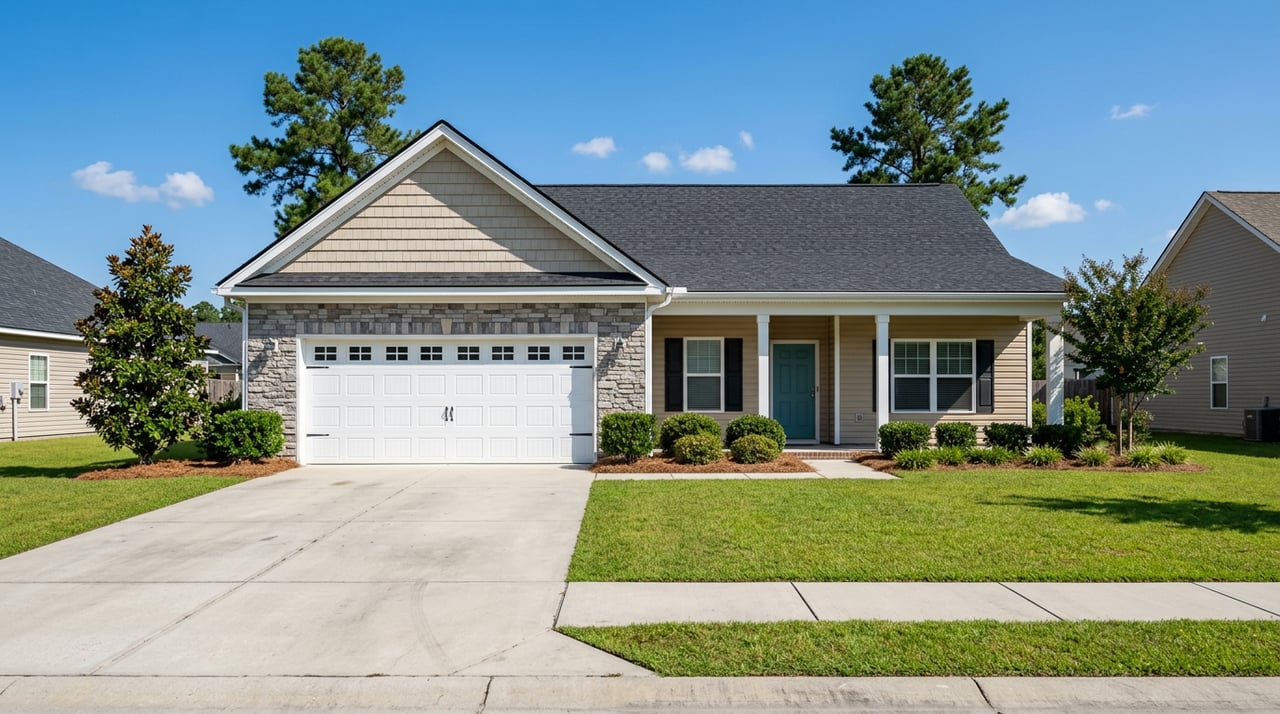
Moving From Wake County To Nash County: Housing Trade-Offs
March 5, 2026
March 5, 2026
Are you paying Wake County prices but craving a bigger yard and a quieter pace? You are not alone. Many Triangle homeowners are looking east to Nash County for more space and value while staying within reach of Raleigh and RTP. In this guide, you will see the real trade-offs: price, lot size, commute, new construction, taxes, schools, and services. You will also get a simple planning worksheet and a checklist to make a confident move. Let’s dive in.
Recent sales data shows a clear price gap. Redfin’s Nash County median sale price was about $293,000 in January 2026, while Redfin’s Wake County median sale price was about $450,000. That difference can unlock a larger home, a bigger yard, or a lower monthly payment.
Monthly cost signals tell a similar story. According to Census QuickFacts for Nash County, the median selected monthly owner costs with a mortgage were about $1,318, and median gross rent was about $924. Wake County QuickFacts shows median owner costs around $2,027 and median rent around $1,508. These figures are broad benchmarks, not exact payments, but they highlight the cost difference many families feel month to month.
It helps to know what each number means. Median sale price reflects what buyers recently paid in the MLS. Other metrics like Zillow’s typical home value or median listing price capture different parts of the market. Use medians to compare overall levels, then drill into neighborhood comps for your exact search.
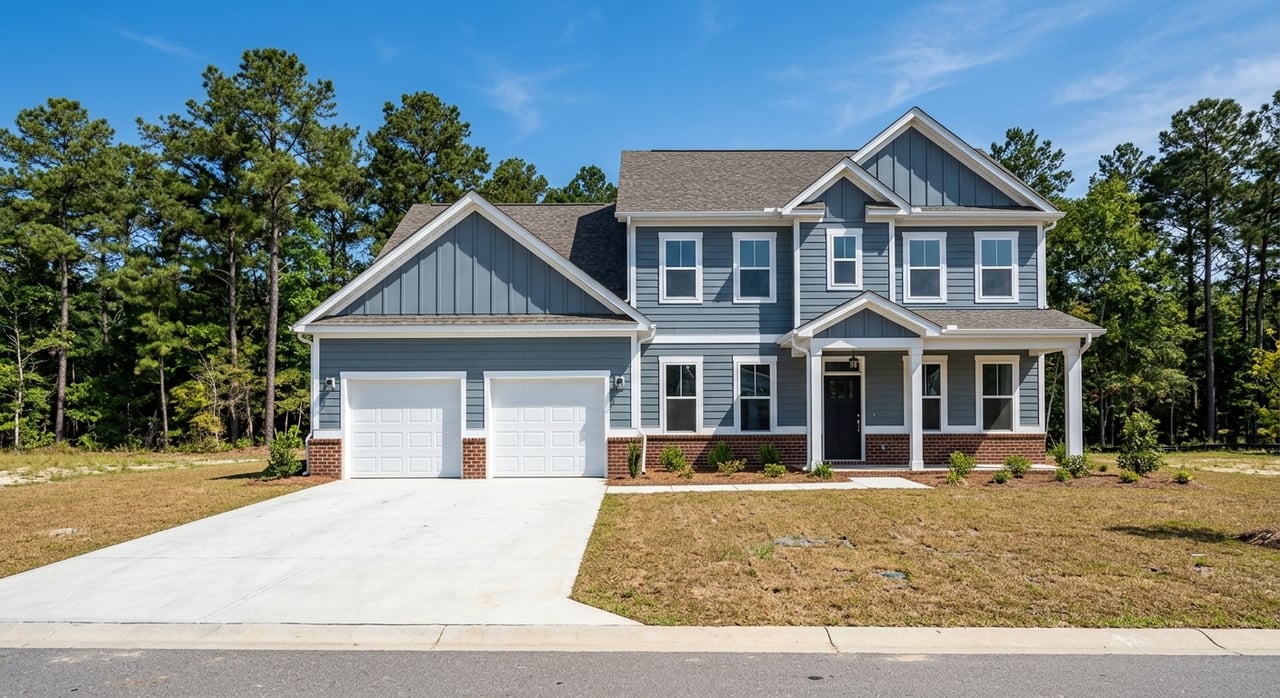
Wake and Nash have very different housing patterns. Wake has about 528,746 housing units across 834.59 square miles. Nash has about 44,586 housing units across 540.44 square miles. That works out to roughly 634 units per square mile in Wake and about 82 units per square mile in Nash using QuickFacts inputs. The result is simple: smaller lots are common in Wake, and acreage is far more available in Nash.
Owner-occupancy is similar in both counties, with Nash around 63.7 percent and Wake around 64.4 percent. You will find older brick ranch homes, newer subdivisions, and rural properties with room for gardens, outbuildings, or small farms.
If you are hunting for land, small and mid-size parcels come up often. Marketplaces show multi-acre options and wide price variation by location and use. Browse active opportunities on LandSearch’s Nash County listings to gauge what is possible. Many parcels list in the low-to-mid $10,000 to $25,000 per acre range depending on size and setting. Always confirm soils, septic feasibility, utilities, and zoning before you offer.
At a county level, average commute times look similar: Nash around 23.7 minutes and Wake around 25.1 minutes in ACS estimates. That is because many Nash residents work locally. Your commute to Triangle job centers depends on where you live in Nash and where you work.
Door-to-door examples help set expectations:
In plain terms, southern Nash towns like Middlesex and areas near US 64 and NC 42 often have 30 to 45 minute Triangle commutes. Rocky Mount and northern Nash can run 55 to 75 minutes during peak periods. Always test your exact AM and PM routes at your real departure times. Try more than one path, and include a rainy-day drive to see worst-case timing.
New construction activity shapes inventory and how quickly you can buy. In 2024, Wake issued roughly 15,248 building permits, while Nash issued about 500, based on QuickFacts. Wake’s larger pipeline means more new-home options and faster supply response near the Triangle.
Listing speed also differs. County snapshots show Nash with longer median days on market in many months and more variable time to pending, while Wake stays busier and higher priced. For a feel of Nash trends, scan Realtor.com’s Nash County market overview. When you are ready to act, pull neighborhood-level comps and days-on-market from MLS. County medians are a starting point, not a pricing plan.
Property taxes and insurance are part of your monthly picture. Use county assessor pages for parcel-level tax bills and municipal rates. For context on county-level tax burdens, you can review the Tax Foundation’s county property tax dataset. Combine taxes with your expected mortgage and insurance to compare total monthly cost to your current payment and to your time-cost of commuting.
On schools, assignment is address-specific. Wake County Public School System is one of North Carolina’s largest districts with a range of programs. Nash County Public Schools is smaller and serves multiple towns and areas. Always verify current school assignments and review recent state report cards for any target address.
Healthcare access looks different but workable. In Nash, Nash UNC Health Care in Rocky Mount provides local hospital services, and for specialty care you can reach Triangle systems. In Wake, WakeMed’s network offers extensive acute and specialty services within short drives of many neighborhoods.
You want a bigger yard, a bonus room, or a workshop without pushing your payment. Using recent medians, Nash often delivers a larger home at a lower price than Wake. This fit works best if you can accept a longer commute, especially from Rocky Mount. If you work in central Raleigh, test a two-week commute trial before you commit.
You need Triangle access most days but want more house and land. Focus on southern Nash near US 64 and NC 42. Many drives to Raleigh and RTP land in the 30 to 45 minute range depending on the exact route and time of day. Test morning and evening runs to your specific campus.
If you own in Wake, strong buyer demand can help you sell quickly and free up equity. Many families use those proceeds as a larger down payment in Nash to buy a newer or larger home while keeping monthly costs similar. The key is timing and knowing your exact net proceeds, not just your sale price.
Use this simple process to see if a Wake to Nash move pencils out for you.
You do not have to trade value for uncertainty. With local data and a clear plan, you can right-size your home and keep access to the Triangle that fits your life. If you want help pricing your Wake sale, finding the right Nash neighborhood, or exploring build and renovation options, our team is ready. Connect with Foote Real Estate Group for a friendly plan, local comps, and on-the-ground guidance.
Stay up to date on the latest real estate trends.
Whether you're buying, selling, or building a custom dream home, Foote Real Estate Group is here to ensure a smooth process tailored to your goals.