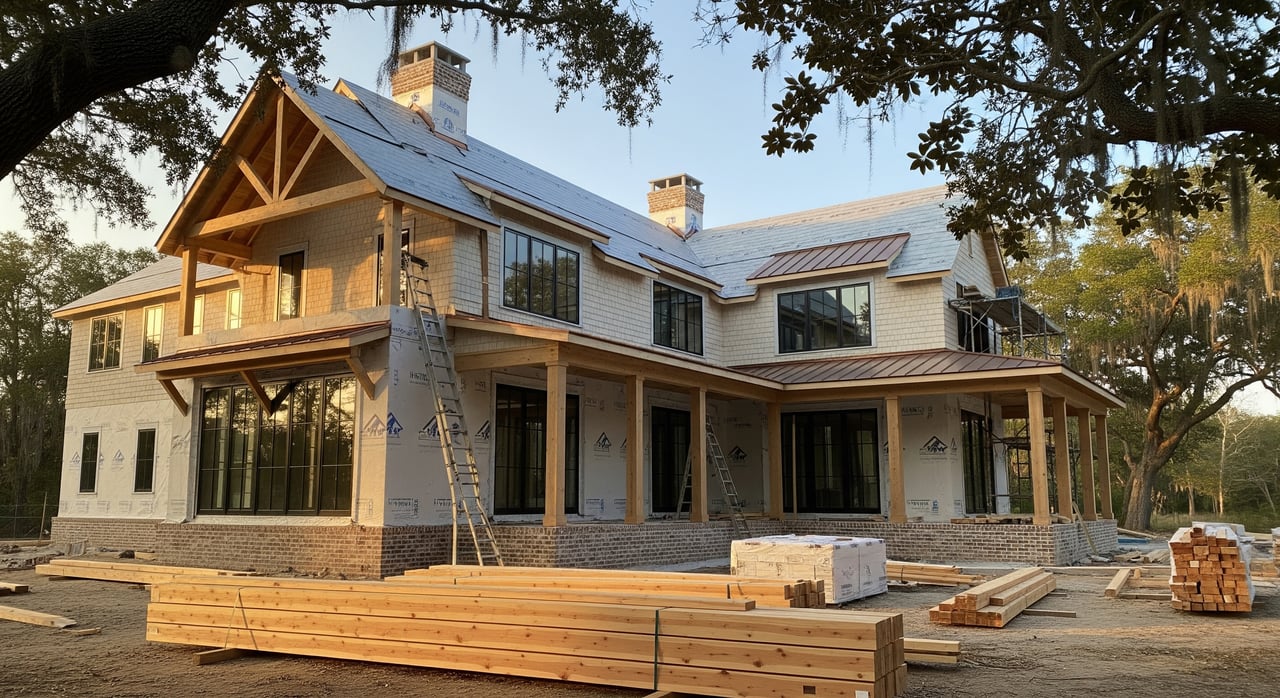
Choosing between building a new home or buying a resale in Red Oak can feel like a high-stakes puzzle. You want the right home, the right budget, and a timeline that actually fits your life. The good news is you can get there with clear cost ranges, realistic timing, and a step-by-step way to compare both paths.
In this guide, you’ll see how building and buying differ in Red Oak and the broader Nash County market, what drives the numbers, and how long each route typically takes. You’ll also get a practical checklist to make a confident choice. Let’s dive in.
Red Oak options at a glance
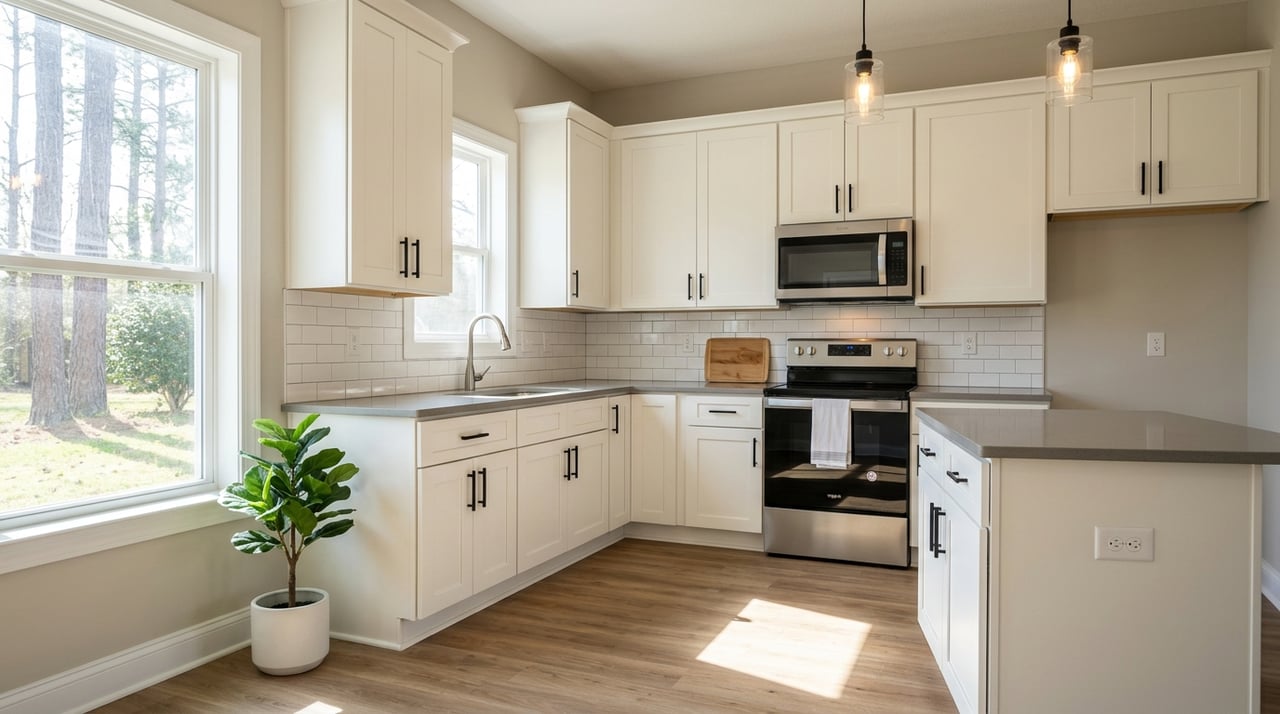
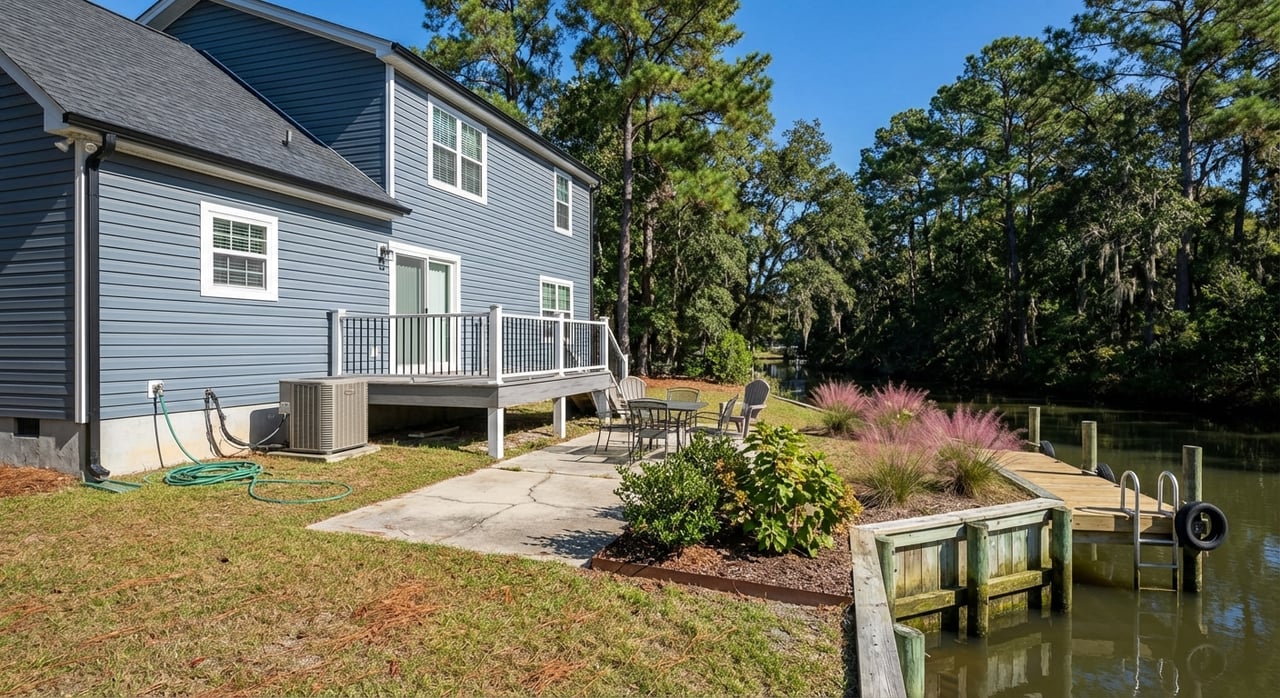
If you need to move quickly, buying a resale home is usually the faster option. You can often close within 30 to 60 days once you’re under contract, plus time for any updates you choose to complete after closing. Resale homes can come with inspection items or deferred maintenance, so plan for possible repair negotiations and follow-up work.
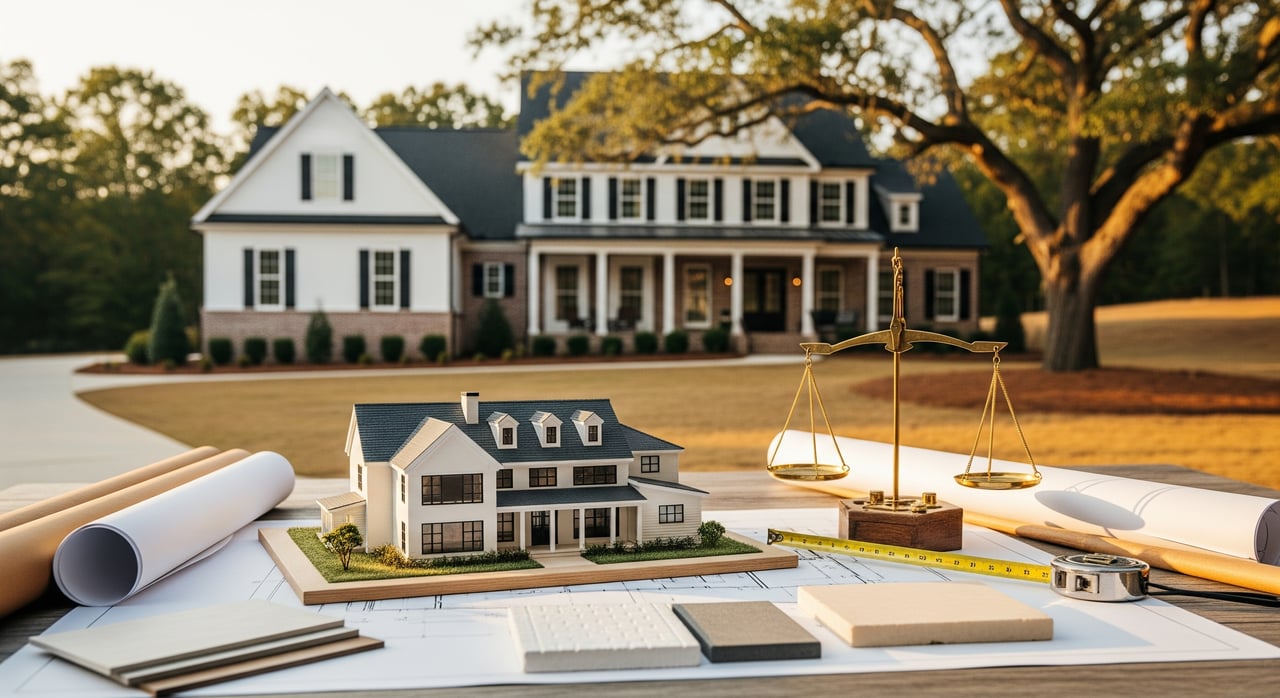
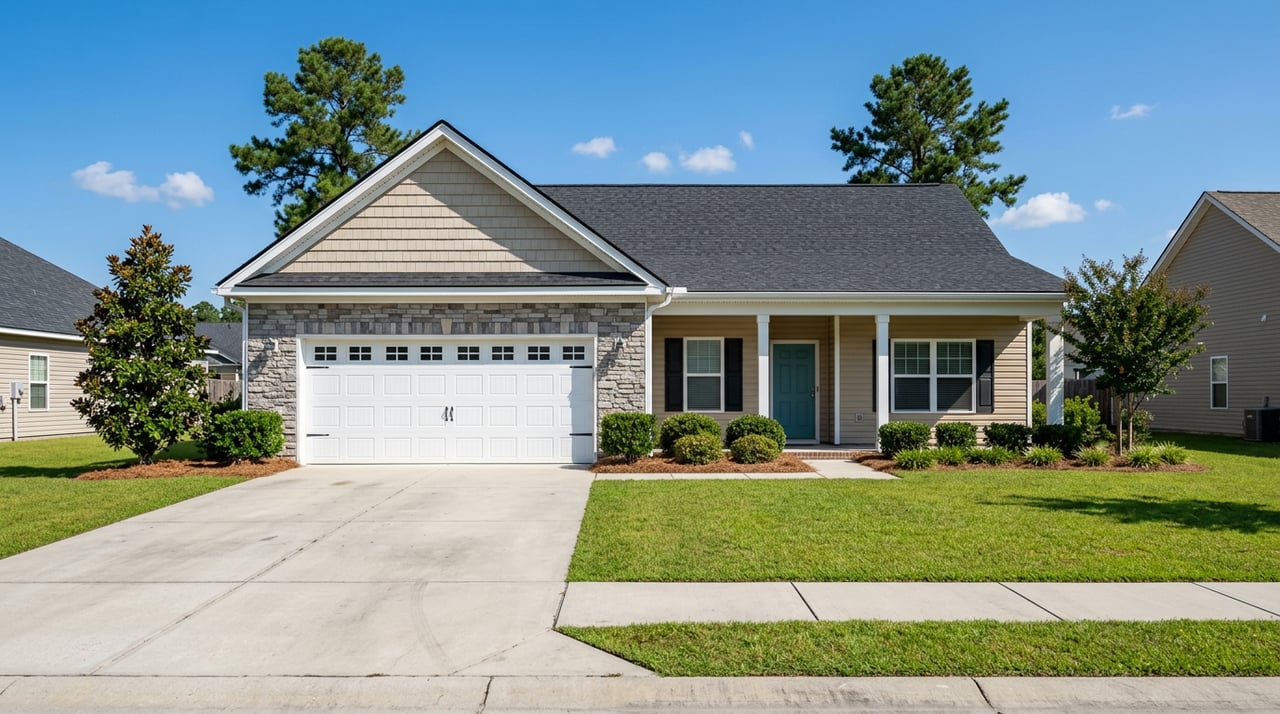
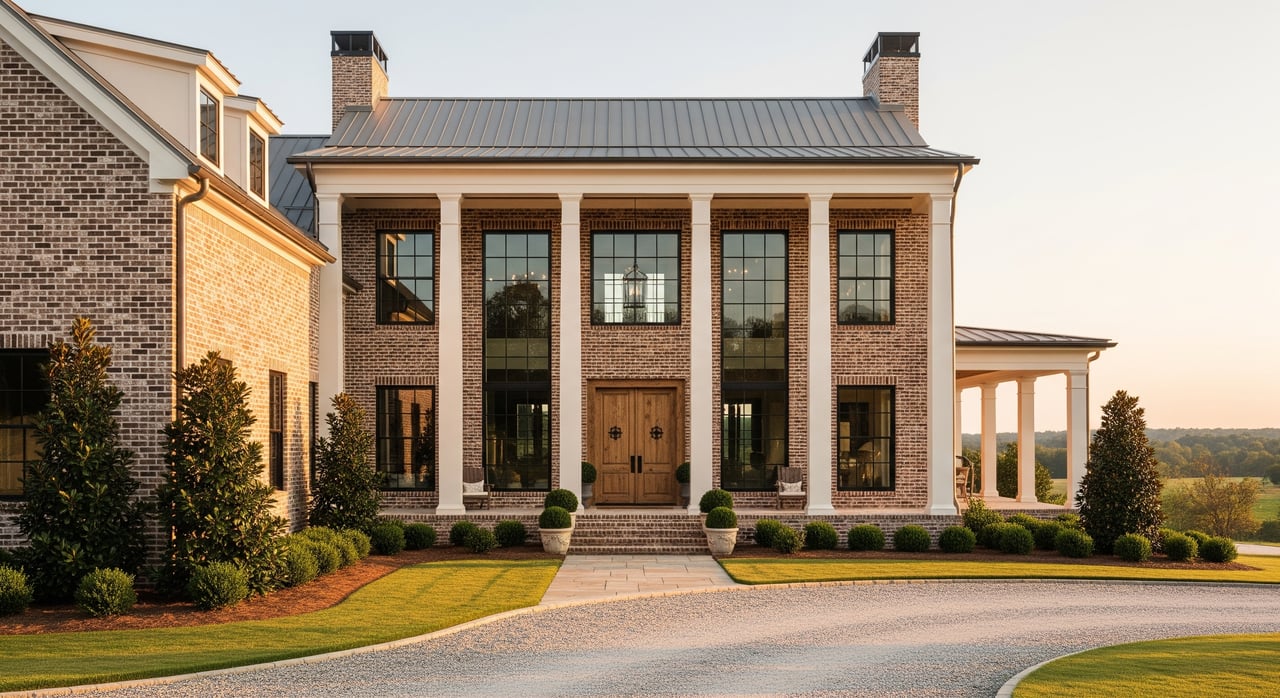
If you want specific layouts, modern systems, or a particular lot, building gives you more control. In Red Oak and Nash County, you’ll see three main new-build paths: buying a completed spec home, choosing a production or semi-custom plan, or pursuing a full custom design. The more customization you want, the more time and budget variability you should expect.
Local factors matter. Proximity to Rocky Mount and US 64 can influence inventory, land availability, and price sensitivity. Utility access, septic versus sewer, and permitting through Nash County also affect cost and schedule.
Cost comparison: build vs. buy
Every property is different, but you can build a realistic range by understanding the full cost picture for each route.
If you buy resale
- Purchase price based on current market comps.
- Standard closing costs.
- Inspection and repair allowances you negotiate.
- Immediate renovations or updates if desired.
- Ongoing costs such as property taxes, insurance, HOA dues if applicable, and typical maintenance for the home’s age.
If you build new
- Lot purchase price plus closing costs and any assessments.
- Site work and utilities, including clearing, grading, driveway, erosion control, water hookup, and septic or sewer tie-in.
- Hard construction costs for foundation, framing, roofing, exterior finishes, mechanicals, and interiors.
- Soft costs such as architectural or design fees, engineering, permits, inspections, and surveys.
- Builder overhead and profit within the contract structure.
- Contingency for unknowns and price changes.
- Financing and carrying costs during the build.
- Final touches like landscaping, window coverings, and any appliances not included in the builder’s base.
Directional cost ranges for planning
- Per-square-foot construction cost for eastern NC: plan for roughly 120 to 220 per square foot for common to moderately upscale finishes. Complex designs or higher-end finishes can exceed this range.
- Soft costs and fees: add about 10 to 20 percent of the construction contract value for design, permits, engineering, and inspections.
- Lot and site costs: can be modest for improved subdivision lots or much higher for raw land needing significant work. Always verify utility availability, septic feasibility, and any off-site improvements.
- Contingency: keep 5 to 15 percent in reserve, depending on contract type and market volatility.
A simple budget method for a new build
- Start with your target conditioned square footage.
- Multiply by a per-square-foot range that fits your desired finish level.
- Add soft costs (10 to 20 percent), plus your lot cost and estimated site work.
- Add contingency, financing or carry costs, and final landscaping or furnishings.
- Compare the total with resale options that meet your size and feature needs.
This approach will not produce an exact bid, but it helps you set a realistic all-in budget before talking with builders.
Timeline expectations in Red Oak
Timelines vary by property, lender, county workload, and weather. Use the ranges below as planning guides, then verify with local professionals.
Buying a resale home: typical timeline
- Home search and offers: days to months depending on inventory and your criteria.
- Under contract to closing with financing: commonly 30 to 60 days. Cash deals can be faster.
- Inspections and negotiations: often 7 to 14 days of due diligence for inspections and repair requests.
- Post-closing updates: simple cosmetic work can take 1 to 6 weeks; larger renovations may run 1 to 6 months or more.
Building new: typical timeline
- Lot selection and pre-construction planning: 4 to 12 weeks for surveys, soils tests, design choices, and pricing.
- Permitting and approvals with Nash County: 2 to 8 weeks or more depending on complexity and seasonal backlogs.
- Construction duration by build type:
- Production or spec: about 4 to 9 months from foundation to certificate of occupancy.
- Semi-custom: roughly 6 to 12 months.
- Full custom: about 9 to 18 months or more for complex designs.
- Total time from signing to move-in: commonly 6 to 12 months for many builds, with extra buffer for custom projects.
What can delay either path
- Weather and site conditions.
- Permit or inspection backlogs.
- Material lead times, especially for windows and appliances.
- Change orders or late-stage design revisions.
- Subcontractor availability.
Financing and cash flow basics
For a resale purchase, your closing timeline depends on your lender’s underwriting speed. Many buyers close within 30 to 60 days after a contract is accepted. If you plan renovations after closing, budget a timeline and contingency for that work.
For new construction, construction loans are common. These loans fund the build in stages and typically require draw inspections. Interest accrues on funds as they are drawn. Some buyers use construction-to-permanent products that convert to a standard mortgage when the home is complete. If you need to sell a current home, include potential carrying costs during the build.
Site and permitting checks in Nash County
Before you commit to a lot or a build contract, verify the essentials:
- Utilities: confirm water, sewer or septic, electric, and natural gas availability and tap or hookup fees.
- Septic feasibility: if the property requires septic, a soils test and permit are critical to confirm the system type and capacity.
- Floodplain and drainage: check flood status and site drainage to avoid unexpected costs and insurance needs.
- Zoning and setbacks: verify allowable use, setbacks, and any neighborhood covenants or architectural standards.
- Required inspections: understand the inspection schedule and who manages permits and inspections during construction.
Local verification with Nash County Planning and Inspections, utility providers, and, if applicable, the Town of Red Oak helps prevent surprises later.
Decision checklist: build or buy in Red Oak
Use this quick checklist to narrow your path:
- Timeline: When do you need to move? If it must be within about 3 months, focus on resale or completed spec options.
- Budget: Define your all-in maximum. Include lot, build, soft costs, contingency, closing costs, and any carry costs.
- Must-have features: Bedrooms, baths, garage, accessibility, single-level or multi-level, and lot characteristics.
- Location criteria: Commute routes, proximity to services, and any school district requirements you need to meet.
- Risk tolerance: Are you comfortable with construction oversight, selections, and potential delays, or do you prefer a faster, more predictable path?
- Financing readiness: Do you have mortgage pre-approval or the ability to secure a construction loan if you build?
- Site checks: Is the lot buildable based on utilities, soils, slope, and floodplain status?
- Local comps: Review resale options in Red Oak and the Rocky Mount area that match your size and quality goals.
Pros and cons summary
Benefits of buying resale
- Faster move-in with a predictable closing timeline.
- Ability to target established neighborhoods and lot settings available today.
- Potentially lower upfront costs compared with a custom build.
Trade-offs of buying resale
- Layout and finishes may not match your preferences.
- Possible repair negotiations and deferred maintenance.
- Renovations can add cost and time after closing.
Benefits of building new
- Floor plan, finishes, and systems tailored to your needs.
- Lower immediate maintenance and typically better energy efficiency.
- Opportunity to select a specific lot that fits your goals.
Trade-offs of building new
- Longer timeline from planning to move-in.
- Budget variability if you select custom features or make changes during construction.
- More decisions and coordination throughout the process.
How to start with a design-build conversation
Design-build gives you one team for design and construction under a single contract. This can reduce handoffs, streamline decisions, and keep schedules on track.
What to bring to your first consult:
- A clear all-in budget range.
- Your target move-in date or schedule needs.
- Lot details or a parcel number if you have a property in mind.
- A must-have list, square footage range, and examples of finishes you like.
- Any available site reports, surveys, or HOA guidelines.
- Your financing status or pre-approval details.
Smart questions to ask:
- Are you licensed to build in North Carolina and active in Nash County?
- Will you provide a fixed-price contract or explain allowances and how change orders are handled?
- What timeline do you typically see from permit to completion, and what causes delays?
- Who pulls permits and coordinates inspections?
- What workmanship and systems warranties do you offer?
- How do you handle cost escalation, and what contingency do you recommend?
- Who will be my main point of contact, and how often will I get updates?
What to expect after the meeting:
- A preliminary budget range and a list of selections or allowances that influence price.
- A proposed schedule with milestones for design, permits, and construction phases.
- Clear next steps, such as a site survey, soils testing, or a design agreement.
Putting it all together
If you need speed and budget certainty, buying a resale or a completed spec home is usually your best move. If you value custom layouts, new systems, and a lot that checks all your boxes, building can deliver long-term satisfaction, as long as your timeline and budget include soft costs and a proper contingency.
When you are ready to compare specific properties and builder paths in Red Oak, a local, integrated team can save you time and guesswork. For end-to-end help buying, selling, or building in Nash County, reach out to the team at Foote Real Estate Group for a planning consult.
FAQs
How much faster is resale vs. building in Red Oak?
- Many resale purchases close in 30 to 60 days after contract, while common new-build timelines run about 6 to 12 months from planning to move-in.
What costs are often not in a builder’s base price in Nash County?
- Site work beyond basic allowances, certain utility tap fees, upgraded finishes, landscaping, window coverings, and some appliances may be separate.
How much contingency should I include for a new build in Red Oak?
- Plan for 5 to 15 percent of the construction value, depending on contract structure and the complexity of your selections.
What construction loan options should I ask about for Red Oak builds?
- Ask lenders about construction loans and construction-to-permanent products, draw schedules, interest on draws, and conversion terms at completion.
How do I vet a builder for a Red Oak project?
- Verify licensing in North Carolina, request local references, review warranties, clarify allowances and change order processes, and confirm who manages permits and inspections.
Are there tax or incentive differences for new construction in Nash County?
- Tax treatment varies by property and jurisdiction; verify local assessments, potential exemptions, and any area-specific programs with county offices and your lender.
How do lot orientation and neighborhood features affect long-term value in Red Oak?
- Consider commute routes, access to services, and overall market demand for similar homes when evaluating long-term resale potential.